

Kornelijus
Affordable and reliable. Traveled to the US for a trip and used blikst. It was much more affordable than other companies and was very

 Trust score 4.5
Device Compatibility: Most modern smartphones are fully compatible with Blikst eSIMs. However, a few exceptions exist. Check our detailed compatibility list to confirm your device works flawlessly with our service..
Activation Policy: Enjoy automatic activation by simply scanning the QR code provided after purchase. Your eSIM will instantly activate upon your arrival at Zambia, ensuring immediate connectivity.
Delivery Time: Receive a confirmation email with your eSIM details right after completing your purchase. Quick and seamless delivery ensures you’re ready to go in minutes.
Zambia is a country where your mobile data quietly becomes the thing holding your whole itinerary together — safari lodges confirm transfers by WhatsApp, Victoria Falls helicopter operators send weather updates an hour before pickup, and Lusaka ride-share drivers want a location pin instead of a street address. A Blikst Zambia eSIM puts you on MTN, one of the country's two dominant carriers, at 2G / 3G speeds — fine for messaging, maps, mobile money, and light browsing, but not built for video streaming.
Lusaka, Livingstone, Ndola, Kitwe, and the Copperbelt corridor have consistent 3G. The Great North Road up through Kapiri Mposhi toward the Tanzanian border has signal in most towns. South Luangwa, Lower Zambezi, and Kafue National Parks are largely offline — expect no signal inside park boundaries, only at the gates and main camps. The Mosi-oa-Tunya / Victoria Falls area on the Zambian side has decent 3G near the town of Livingstone and at the falls viewpoints themselves.
You can buy an MTN or Airtel SIM at Kenneth Kaunda International (LUN) or Harry Mwanga Nkumbula (LVI), but SIM registration in Zambia requires your passport and fingerprinting, and the kiosk queues after an international flight are unpredictable. A Blikst eSIM runs on the same MTN towers without the paperwork. Compared to your home carrier's roaming rates (typically $10–$15/day for African destinations), even a modest plan pays for itself in three days.
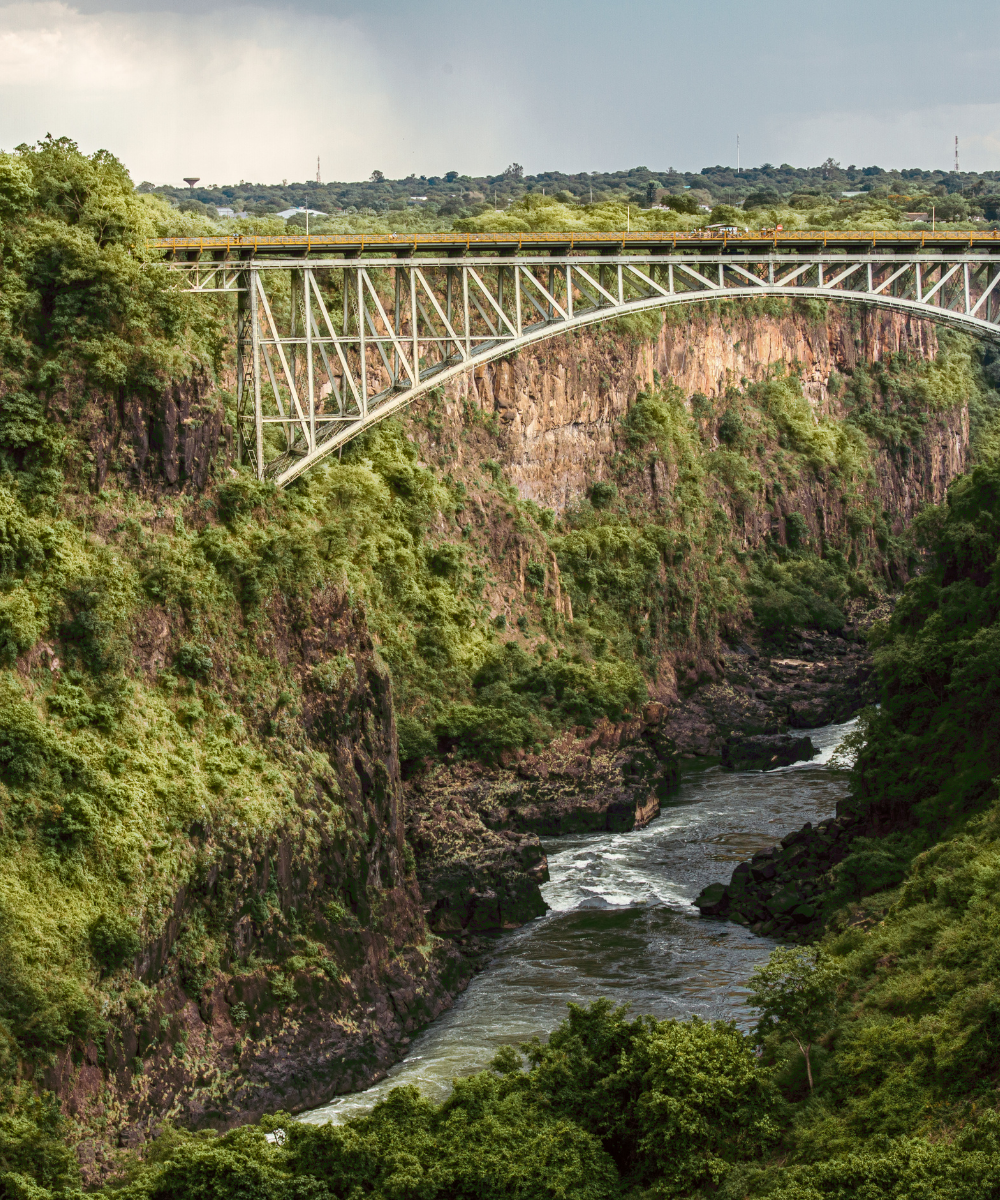
Install the QR-code profile before you leave home — Wi-Fi at LUN is available but patchy, and LVI's free Wi-Fi is best described as aspirational. The line activates when it first registers on an MTN tower. If you're crossing from Zimbabwe at the Victoria Falls bridge, you'll hop networks the moment you cross, so expect a brief gap before your Blikst line catches the MTN signal.
Treat data as unreliable inside South Luangwa, Lower Zambezi, or Kafue. Lodges almost always have Wi-Fi at the main area (often Starlink now); between camps and on game drives you're offline. Pre-download any maps, translation packs, or reading material before your bush transfer. Your Blikst line will be your fallback for the drive to and from the park, not inside it.
A 4-day Victoria Falls add-on from Zimbabwe: 1–2 GB. A one-week Livingstone + South Luangwa combination: 3–5 GB (you're offline for much of the safari portion anyway). A two-week Lusaka + Copperbelt + Lower Zambezi itinerary: 5–10 GB. If you're working remotely from Lusaka for a month, 20 GB is a safer floor given the slower speeds limit heavy use.
Install before you fly, land at LUN or LVI with a live line, and spend the arrival hour getting to the lodge instead of queuing at a SIM kiosk.


Couldn't load pickup availability


Confirm that your smartphone or device supports our Blikst eSIM functionality.
Learn More

Use the provided step-by-step guide to set up and activate your eSIM in few minutes. Then enjoy your trip.
Learn MoreAffordable and reliable. Traveled to the US for a trip and used blikst. It was much more affordable than other companies and was very
Smooth, simple, just works. Use it again.
Quick activation and stable connection. Super handy 🌟 Used it during my trip in Madeira.
Lovely support, got an esim for UK. Had no issues.
I used to have 3 mobile but the internet connection was not the best, that’s why I started to use Blikst and I find it very useful
The Blikst Zambia eSIM runs on MTN, one of the country's two dominant carriers, at 2G and 3G speeds. That is plenty for messaging, maps, mobile money and light browsing, but it is not built for video streaming. In practice it covers the things that actually hold a Zambia trip together, like WhatsApp messages from lodges and a location pin for your Lusaka ride-share, rather than HD video.
Lusaka, Livingstone, Ndola, Kitwe and the Copperbelt corridor have consistent 3G, and the Great North Road up through Kapiri Mposhi toward the Tanzanian border has signal in most towns. The Victoria Falls area on the Zambian side gets decent 3G near Livingstone and at the viewpoints. Be honest with yourself about the parks, though: South Luangwa, Lower Zambezi and Kafue are largely offline, with signal only at the gates and main camps.
After you buy, you get a confirmation email with your eSIM details within minutes, then you scan the QR code to install the profile. Do this before you leave home, because Wi-Fi at Kenneth Kaunda International is patchy and Livingstone's free Wi-Fi is best described as aspirational. The line activates automatically when it first registers on an MTN tower, so you land with a live connection rather than queuing at a SIM kiosk.
Most modern smartphones are fully compatible with Blikst eSIMs, though a few exceptions exist, so check our detailed compatibility list to confirm your device works. Your phone also needs to be carrier-unlocked. On an iPhone you can look under Settings, General, About for an EID, and on Android you check the network settings for eSIM support. If you see an EID, you are almost certainly good to go.
It depends on your itinerary. A four-day Victoria Falls add-on from Zimbabwe is comfortable on 1 to 2 GB. A one-week Livingstone and South Luangwa combination suits 3 to 5 GB, since you are offline for much of the safari anyway. A two-week Lusaka, Copperbelt and Lower Zambezi trip fits 5 to 10 GB. If you are working remotely from Lusaka for a month, treat 20 GB as a safer floor.
Yes, tethering and hotspot use are supported, so you can share your connection with a laptop or a travel companion's phone. Keep in mind the plan runs at 2G and 3G speeds, which is fine for messaging, maps and light browsing but will feel slow if several devices try to do heavy work at once. Inside South Luangwa, Lower Zambezi or Kafue there is usually no signal to share regardless.
This is a data-only plan, so calls and texts go over the internet using apps like WhatsApp, FaceTime or similar. In Zambia that is no hardship, since every lodge, tour operator, taxi driver and guide communicates through WhatsApp anyway. Because the eSIM is a separate digital line, your physical home SIM and number can stay in the phone, ready to switch back on when you fly home.
Compared with home-carrier roaming, which typically runs 10 to 15 US dollars a day for African destinations, even a modest Blikst plan pays for itself within about three days. You can buy a local MTN or Airtel SIM at the airport, but registration in Zambia requires your passport and fingerprinting, and the kiosk queues after an international flight are unpredictable. A Blikst eSIM uses the same MTN towers without the paperwork.